
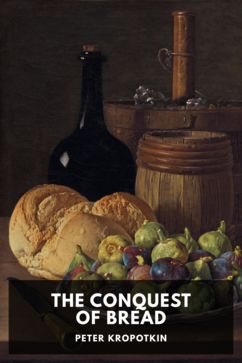
The Conquest of Bread - Peter Kropotkin
Let's be clear: this isn't a novel with a plot. The 'story' here is the argument itself. Kropotkin, a Russian prince who became an anarchist, lays out a simple premise. We have the technology, the land, and the labor to provide a comfortable life for everyone. Yet, we don't. Why? He says it's because our economic system is designed to create scarcity to drive up profits, not to meet human needs.
The Story
Kropotkin walks us through his logic step-by-step. He starts by pointing to the obvious abundance modern industry and agriculture could produce. Then, he shows how ownership, rent, and profit act like dams, blocking that abundance from flowing to people. His 'plot' is the journey from this critique to a vision of a 'commons-based' society. He imagines neighborhoods and towns organized through voluntary associations, where work is integrated with life and everyone has guaranteed access to food, shelter, and education. He fills it with concrete examples from his time—like how cities could be fed by surrounding market gardens—making it feel less like a fantasy and more like a missed opportunity.
Why You Should Read It
You should read it because it will scramble your brain in the best way. Even if you don't agree with all his solutions, the core question is undeniable. Reading it in the 21st century is eerie. He predicted suburbs, criticized the isolation of factory work, and warned about the environmental cost of industrial farming. His faith in human cooperation and local organization feels incredibly fresh today, echoing in everything from open-source software to community fridges. It's a book that replaces cynicism with a specific kind of radical hope.
Final Verdict
This book is perfect for anyone feeling disillusioned with our current political and economic options. It's for the person who volunteers at a food bank but wonders why it needs to exist in the first place. It's also a great read for fans of history or political theory who want to go beyond the usual 'capitalism vs. socialism' debate. It's challenging, optimistic, and will definitely give you some fiery points for your next dinner party argument. Just be prepared—it might change how you see the world, from the bread on your table to the very structure of your community.
No rights are reserved for this publication. You can copy, modify, and distribute it freely.
Mary Wright
1 year agoGreat read!
Charles White
1 year agoComprehensive and well-researched.





Susan Robinson
1 year agoThis is one of those stories where the character development leaves a lasting impact. Truly inspiring.